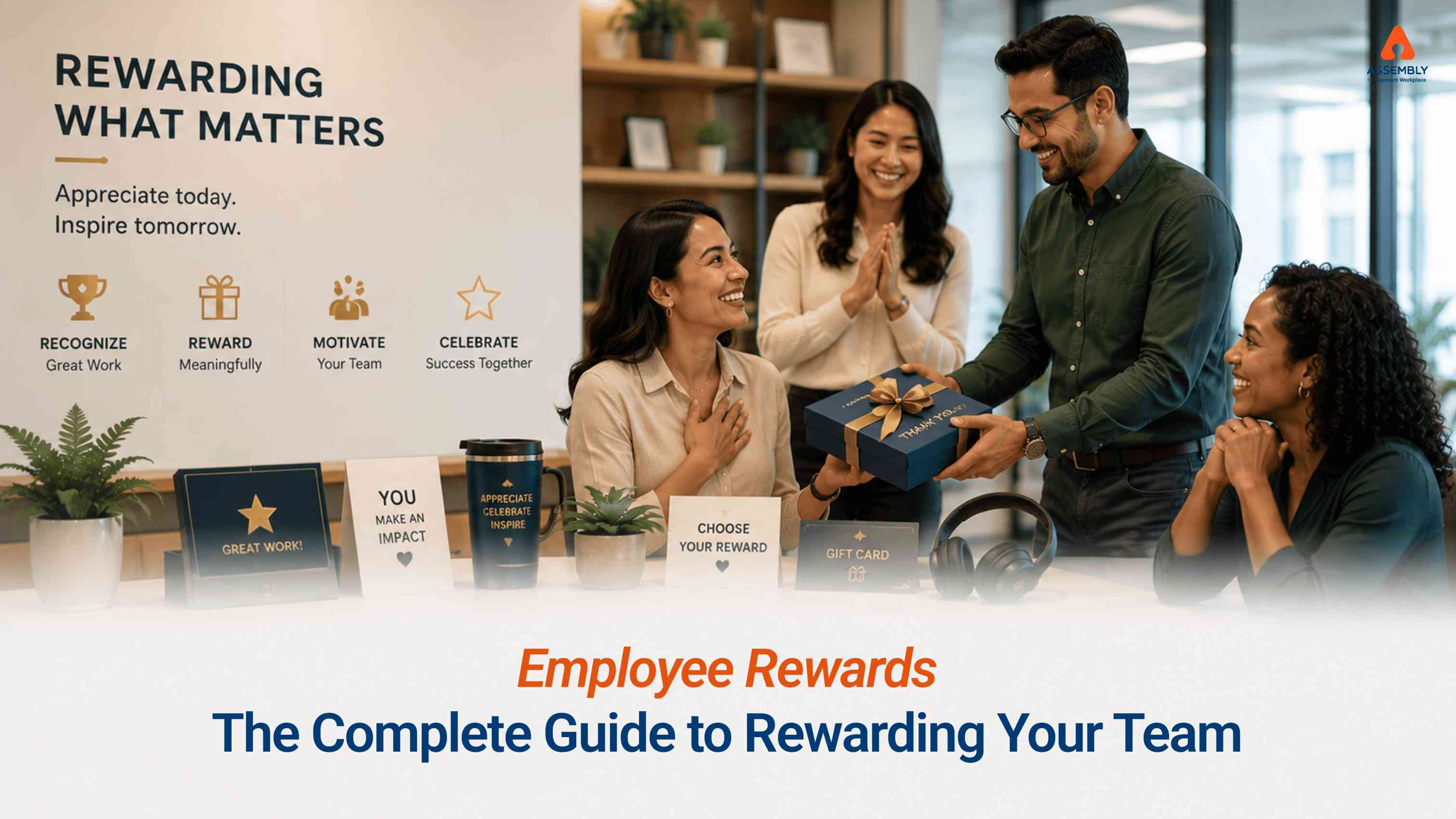
A well-timed reward can change how someone feels about their work. It doesn't have to be expensive or over the top. A gift card after a demanding project, a team lunch to celebrate a milestone, or a few points they can redeem for something they actually want can all make a big difference. When rewards feel thoughtful and relevant, they send a simple message: we noticed your effort, and we appreciate it!
That's one reason more and more organizations are making employee rewards a regular part of their people strategy instead of saving them for holidays or annual events. Recognizing meaningful contributions helps reinforce positive behaviors while making employees feel more connected to their work and the people around them.
Research from Bersin by Deloitte found that well-designed rewards programs are a key element in retaining talent and improving performance. That isn't surprising. People who feel recognized are generally more engaged, more motivated, and more likely to stick with an organization over time.
In this guide, we'll explain what employee rewards are, explore the different types of rewards organizations can use, discuss why they matter, and walk through the key steps to building an effective rewards program. We'll also share practical reward ideas and answer common questions, including whether employee rewards are taxable.
What Are Employee Rewards?
Employee rewards are the tangible or intangible benefits organizations give employees to recognize their contributions, performance, or important milestones. They can be monetary, like bonuses, gift cards, or profit-sharing, or non-monetary, such as extra time off, learning opportunities, or public recognition.
So, what are employee reward programs?
They're simply the systems that make rewards fair and consistent. Instead of relying on a manager to remember who deserves recognition, they build rewards into the way the organization works. That gives everyone a clear and equal opportunity to be recognized for their contributions.
It's also worth understanding how employee rewards and recognition work together. Recognition is the act of noticing and acknowledging someone's work. Rewards add something tangible on top of that. You can recognize someone without giving a reward, like thanking them during a team meeting. You can also reward someone without much recognition, like giving an automatic service anniversary bonus. But the biggest impact usually comes when the two happen together.
Here's a simple example. A teammate gets a shoutout for staying late to fix a data issue before an important client meeting. That's recognition. If the shoutout also comes with a gift card or reward points they can redeem later, that's the reward. Together, they make the appreciation feel more meaningful and encourage the same behavior in the future. That's why the best staff reward and recognition programs combine both.
Types of Employee Rewards
There's no single reward that motivates everyone. Some employees appreciate financial incentives, while others value flexibility, recognition, or memorable experiences. That's why the strongest employee rewards programs combine different approaches instead of relying on one reward for every situation. Below are some of the most common types of employee rewards, along with employee rewards examples and ideas for using them effectively.
1. Monetary Rewards
Monetary rewards have a clear financial value. Common examples include bonuses, gift cards, salary increases, profit-sharing, and spot awards. They're often used to recognize exceptional performance, major milestones, or sales achievements. If you're exploring employee reward ideas with an immediate impact, financial rewards are a good place to start.
Not every reward needs to involve money. Public recognition, flexible work schedules, extra paid time off, learning opportunities, and career development can be just as meaningful. In many cases, the best reward ideas for employee recognition are timely, personal, and tied to an employee's individual contributions.
Experience-based rewards focus on creating memorable moments rather than giving physical items. Team outings, concert tickets, travel vouchers, cooking classes, or wellness retreats are all popular options. These rewards often feel more personal because employees remember the experience long after it ends.
4. Points-Based Rewards
Points-based programs let employees earn points for achievements, positive behaviors, or peer recognition. They can then redeem those points for rewards that match their interests, giving them more choice and flexibility.
Recognition doesn't always have to come from a manager. Peer-to-peer rewards allow colleagues to thank and reward one another for everyday contributions, whether that's helping with a project or supporting a teammate during a busy week. This makes appreciation part of the organization's culture instead of something that's reserved for formal reviews or annual events.
6. Milestone and Service Rewards
Milestone and service rewards celebrate important moments, such as work anniversaries, birthdays, promotions, or completing a major project. They also recognize long-term commitment to the organization. Celebrating these milestones reminds employees that their contributions are valued over time, not just when they achieve exceptional results.
When the automation handles the timing, the message is what makes the moment feel personal. Our guide to birthday wishes for coworkers gives you 120+ options to make every birthday message feel genuine.
7. Employee of the Month Rewards
Employee of the month rewards recognize outstanding performance on a regular basis. They work best when everyone understands how winners are selected and what the award represents. Pairing the recognition with a meaningful reward, such as a gift card, extra PTO, or a charitable donation, makes the achievement even more memorable.
Employee performance rewards are tied directly to measurable results, such as achieving sales targets, completing projects, exceeding KPIs, or earning positive customer feedback. When expectations are clear from the beginning, these rewards encourage employees to focus on the outcomes that matter most.
9. Wellness Rewards
Organizations can also use rewards to improve employee health and well-being. Gym memberships, wellness stipends, mental health app subscriptions, healthy meal allowances, and fitness challenges are all common examples. Supporting employee wellness can improve engagement while helping people feel healthier, more energized, and better connected to their work.
10. Fun Employee Rewards
Recognition doesn't always have to be formal. Fun employee rewards, such as team trivia with prizes, surprise snack deliveries, themed appreciation days, company swag, or extra-long lunch breaks, add variety to the workweek. Small gestures like these can boost morale and strengthen workplace relationships.
Importance and Benefits of Employee Rewards and Recognition
Employee rewards and recognition do more than acknowledge good work. When they're used consistently, they help shape workplace culture, strengthen employee relationships, and encourage people to do their best. Here are some of the biggest benefits organizations can expect from a well-designed rewards program.
1. Higher Employee Engagement
Employees are more likely to stay engaged when they know their efforts will be noticed. Recognition gives people a reason to take pride in their work, while meaningful rewards reinforce those positive behaviors. According to the 2025 State of Recognition Report, 90% of employees say recognition motivates them to put in extra effort.
2. Better Employee Retention
People are more likely to stay with organizations where they feel valued. While pay and benefits matter, consistent recognition helps employees feel connected to their work and appreciated for what they contribute. That can reduce voluntary turnover and improve long-term retention.
3. A Stronger Workplace Culture
Every reward sends a message about what the organization values. Recognizing collaboration, innovation, customer service, or teamwork encourages others to follow the same example. Over time, those moments of recognition help build a culture where positive behaviors become part of everyday work.
4. Improved Performance
Employees perform better when they understand what success looks like. Recognizing strong performance reinforces the behaviors that lead to good results, creating a positive cycle where employees stay motivated to meet goals and maintain high standards.
5. Greater Employee Well-Being
Feeling appreciated has a real impact on day-to-day work. Employees who receive regular recognition often feel more confident, motivated, and connected to their teams. Even small rewards can brighten a busy week and remind people that their contributions matter.
6. Reinforced Company Values
Recognition is one of the simplest ways to turn company values into action. If employees are rewarded for behaviors that reflect the organization's goals, those values become part of everyday decision-making instead of just words in a handbook.
Employee Reward Ideas
The best employee reward ideas are thoughtful, timely, and matched to the person receiving them. While some employees appreciate financial rewards, others value flexibility, experiences, or public recognition. Offering a mix of reward ideas for employee recognition helps keep your program engaging and ensures there's something meaningful for everyone.
1. Personalized Employee Reward Ideas
A gift card to their favorite store or restaurant.
A subscription they already use, such as a streaming service, audiobook platform, or coffee delivery.
Personalized company swag with their name or team.
Building an employee rewards program isn't just about choosing rewards. The most successful programs have clear goals, simple processes, and rewards that employees genuinely value. Whether you're designing a program for a large organization or creating employee reward programs for small business, these steps can help you build something that lasts.
1. Start With Clear Goals
Before choosing rewards, decide what you want the program to achieve. Your goals might include improving retention, increasing engagement, reinforcing company values, or recognizing everyday contributions. Clear objectives make it easier to choose the right rewards and measure success over time.
2. Set a Budget That You Can Sustain
A rewards program doesn't have to be expensive to be effective. Start with a budget that's realistic for your organization and focus on consistency rather than one-off rewards.
The best rewards are the ones employees actually want. A short survey or pulse check can help you understand whether people prefer gift cards, extra time off, learning opportunities, experiences, or something else. Employee reward programs for small businesses often succeed because they stay flexible and focus on rewards that employees find meaningful.
4. Create Clear Reward Criteria
Employees should understand what behaviors or achievements qualify for recognition, who can nominate someone, and how rewards are given. Clear guidelines help build trust and ensure the program feels fair.
No single reward appeals to everyone. Combining monetary and non-monetary rewards, individual and team recognition, and formal and informal programs keeps recognition fresh and encourages participation across the organization.
6. Make Recognition Part of Everyday Work
The best employee rewards programs fit naturally into existing workflows instead of creating extra steps. Integrating recognition into tools like Slack, Microsoft Teams, or your HR platform makes it easier for employees and managers to participate regularly.
7. Automate Milestones Where Possible
Birthdays, work anniversaries, and service awards shouldn't rely on someone's memory. Automating milestone rewards ensures every employee is recognized at the right time while reducing the administrative work for HR teams.
8. Measure Results and Keep Improving
Launching the program is only the beginning. Track participation, gather employee feedback, and review what's working over time. Small improvements based on real feedback help keep the program relevant as your organization grows.
One of the best practices for embedding rewards in employee recognition programs is to make the reward part of the recognition itself. When appreciation and a meaningful reward happen at the same time, employees immediately connect the behavior with the recognition. That simple approach often leads to higher participation and a more effective employee incentive program.
Employee Rewards and Recognition Software
Managing employee rewards manually can quickly become difficult as teams grow. Employee rewards and recognition software brings everything into one place, making it easier to recognize employees, automate rewards, and track participation across the organization.
What is Employee Rewards and Recognition Software?
Employee rewards and recognition software is a platform that helps organizations recognize employees, deliver rewards, and manage recognition programs from a single dashboard. Instead of relying on spreadsheets or manual processes, teams can automate milestones, encourage peer recognition, and give employees access to rewards they actually want. The result is a more consistent and visible staff reward and recognition program.
What Should You Look for in an Employee Rewards Platform?
The best employee rewards platform should be easy for employees and managers to use every day. When evaluating different solutions, look for features such as:
Peer-to-peer recognition and manager recognition
Integrations with Slack, Microsoft Teams, and your HRIS
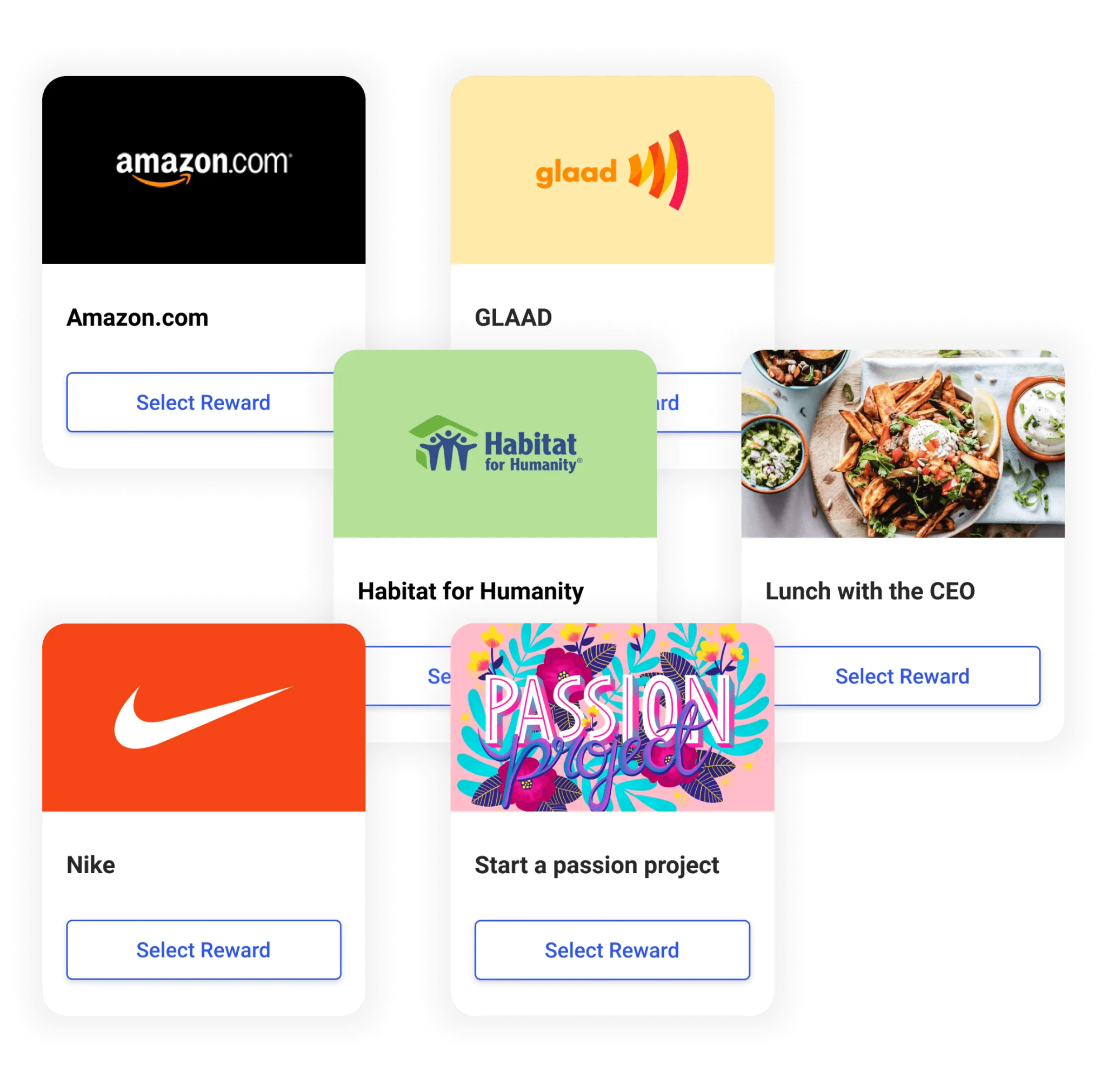
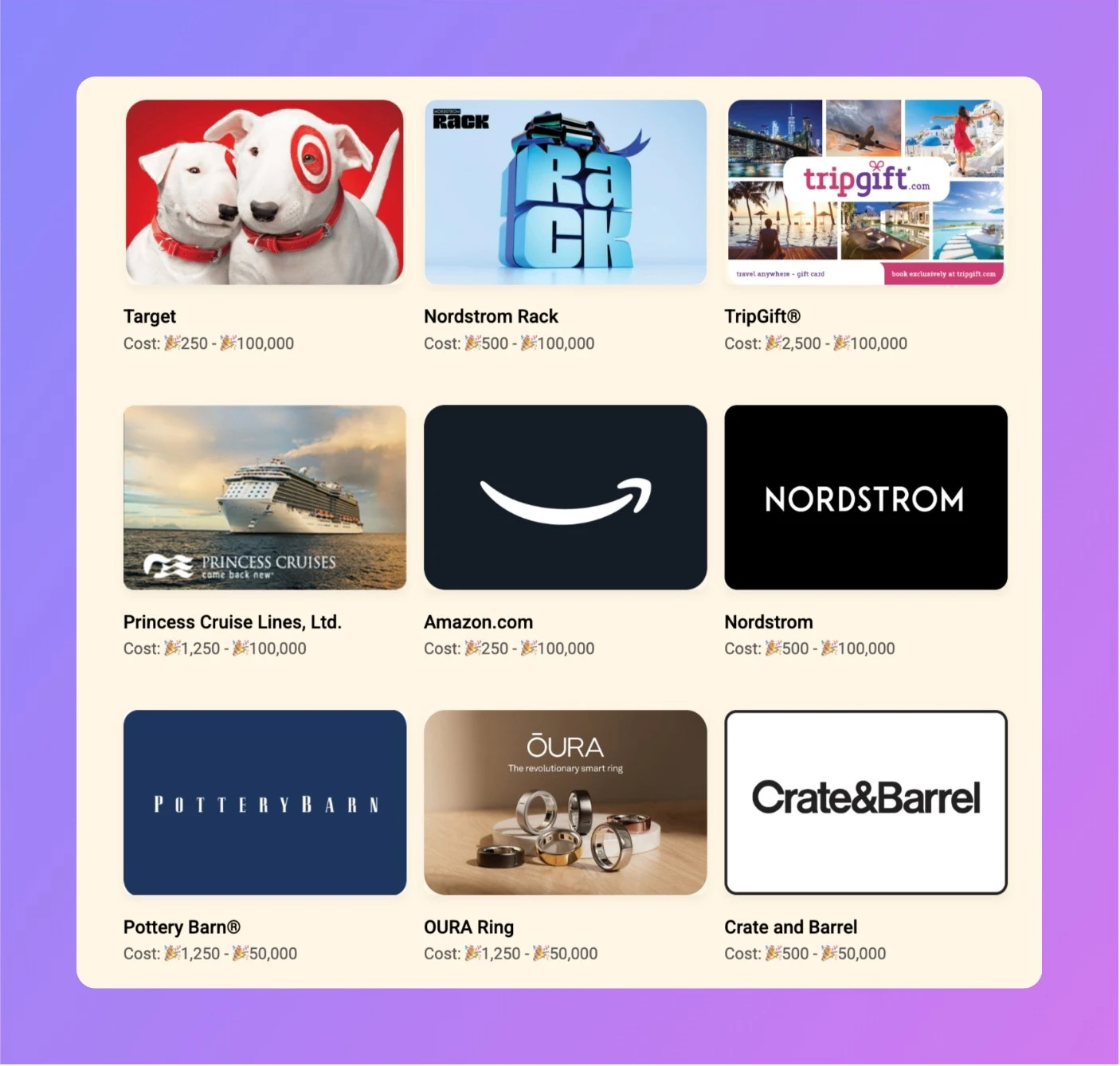
A flexible rewards catalog with gift cards, experiences, charitable donations, company swag, and custom rewards. If you're comparing gift card options, our guide on digital vs. physical gift cards explains the pros and cons of each.
Automated celebrations for birthdays, work anniversaries, and other milestones
Reporting and analytics to track participation and engagement
Recognition tied to company values
Strong security standards, including SOC 2 Type II compliance and GDPR readiness
Why Assembly Is a Leading Employee Rewards Platform
Assembly helps organizations make recognition part of everyday work instead of an occasional event. Employees can recognize one another in real time, managers can celebrate achievements more consistently, and HR teams can automate milestone rewards without adding extra administrative work.
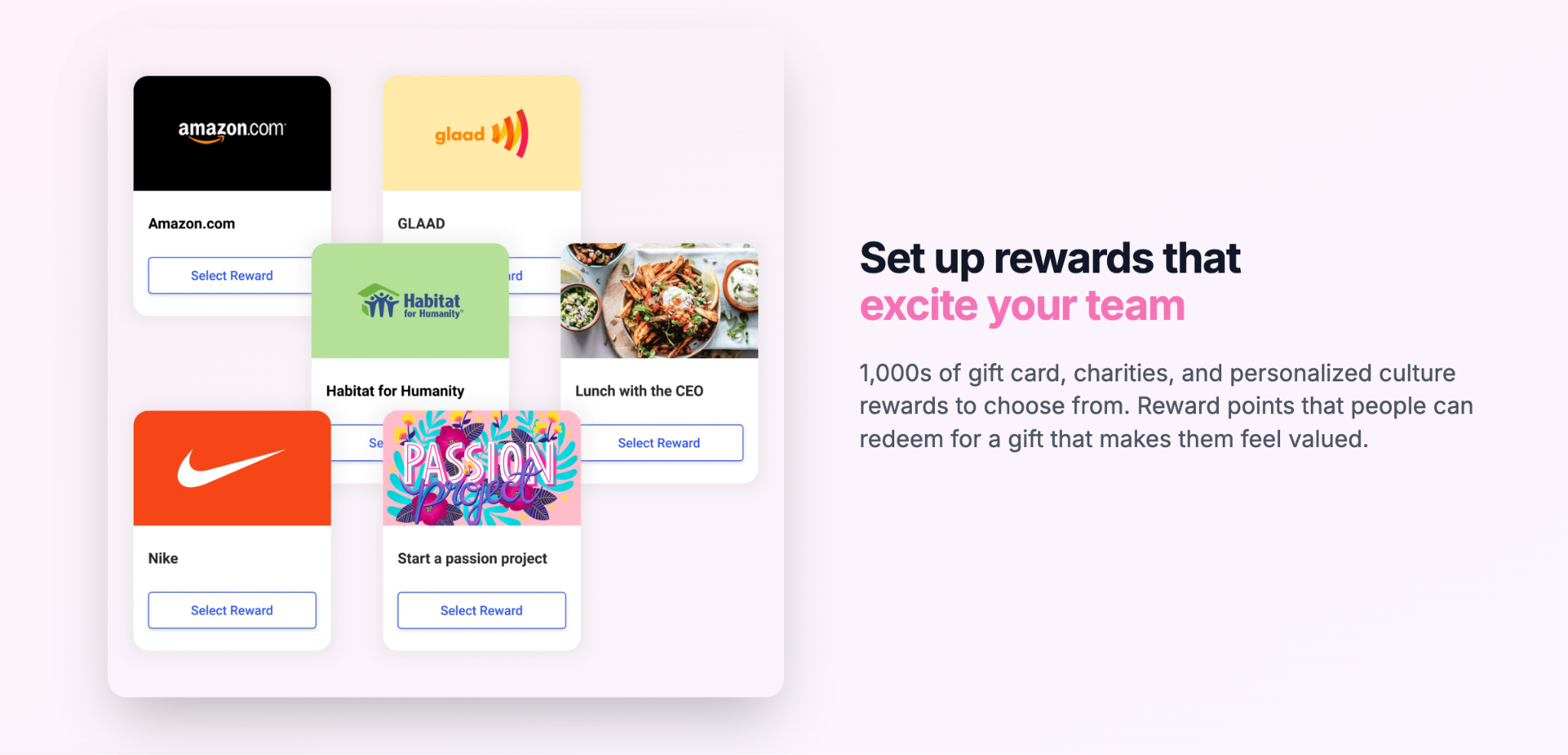
The platform includes a global rewards marketplace with gift cards, experiences, company swag, charitable donations, and custom rewards. It also integrates with Slack, Microsoft Teams, and more than 50 HR platforms, making recognition easy to fit into existing workflows. AI-powered tools help managers write personalized recognition messages, while built-in analytics provide insight into participation, engagement, and recognition trends.
With free onboarding, pricing starting at $2 per employee each month, and a 4.8-star rating on G2 from 4,000+ reviews, Assembly is a strong choice for organizations looking for an employee rewards and recognition software solution that can scale with their teams.
How Assembly Powers Employee Rewards
Assembly makes it easy to recognize great work and reward employees from a single platform. Employees can send peer-to-peer recognition, celebrate milestones, and earn points that can be redeemed for rewards they actually want. Because Assembly integrates with tools like Slack and Microsoft Teams, recognition happens naturally as part of the workday instead of becoming another task to manage.
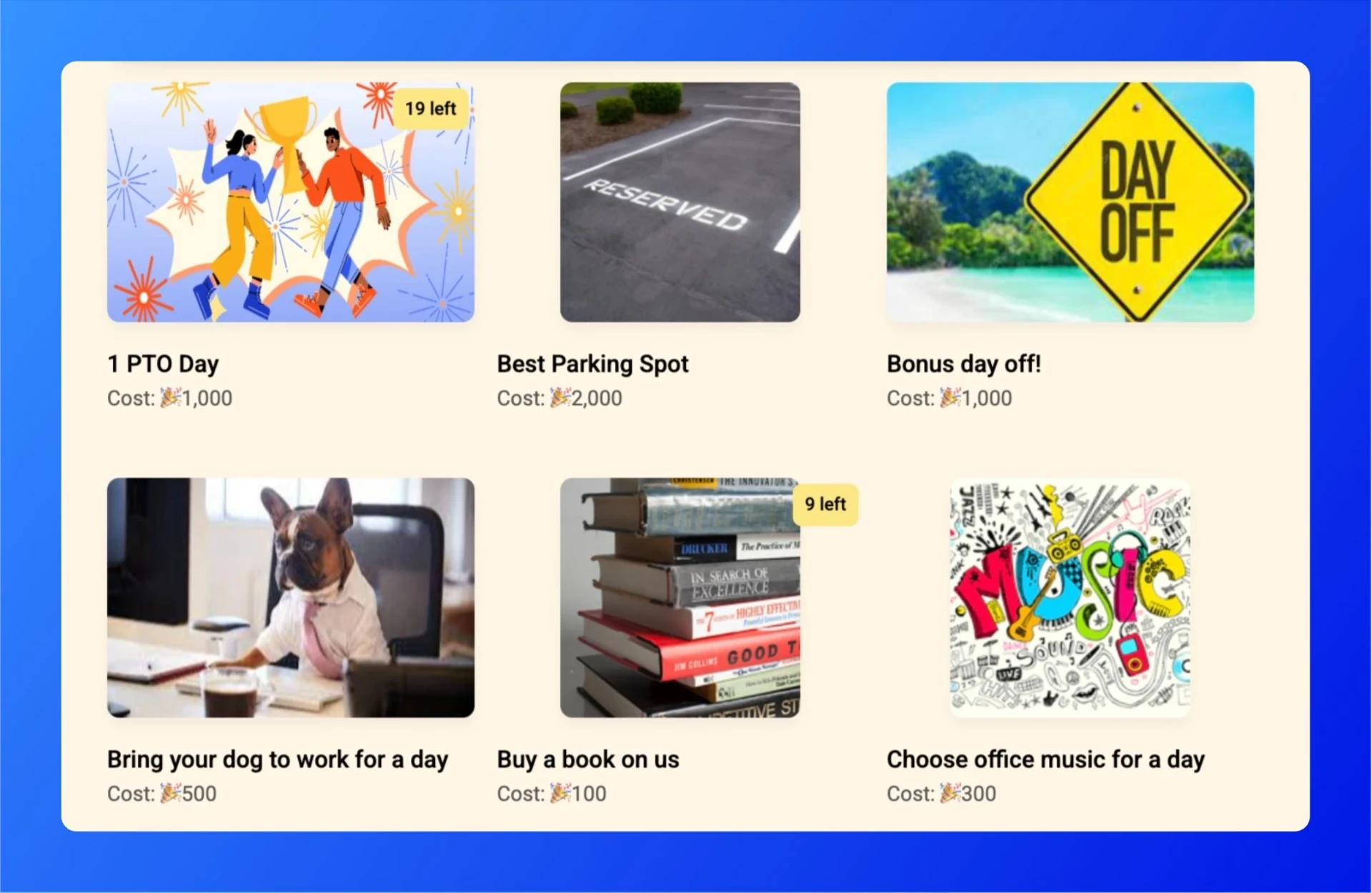
The platform offers a flexible rewards catalog with global gift cards, Amazon Business purchases, company swag, charitable donations, travel experiences, and custom rewards. Organizations can also create company-specific perks, such as extra PTO, team lunches, or premium parking, giving employees meaningful rewards that reflect their workplace culture.
For HR teams and administrators, Assembly simplifies program management with budget controls, automated reward fulfillment, real-time reporting, and integrations with HR and communication tools. Whether you're recognizing everyday contributions or celebrating major milestones, everything can be managed from one place.
As part of the Quantum Workplace family, Assembly also supports a more connected employee experience by bringing together recognition, rewards, and engagement. The result is a program that's easier to manage, more engaging for employees, and built to scale as your organization grows.
Final Words
Employee rewards don't need to be expensive or complicated. They need to be consistent, specific, and connected to real work.
The organizations that get this right are the ones where people feel like their effort genuinely counts. Not because a policy says so, but because they've seen it happen for themselves and for their teammates.
If you're starting fresh, pick two or three reward types that match your team's preferences and your budget. Build clear criteria, communicate the program, and track what's working. If you already have a program, look at participation rates and ask whether rewards are reaching everyone or just a few.
The simplest way to make rewards sustainable is to build them into the tools your team already uses. When recognition and rewards happen in the flow of work, they become part of how your company operates.
If you're looking for an easier way to manage employee rewards and recognition, book a demo with Assembly to see how one platform can help your team recognize great work, automate rewards, and celebrate every milestone.
Frequently Asked Questions
What is the difference between employee rewards and employee recognition?
Employee recognition is the act of acknowledging an employee's effort, achievements, or contributions. Employee rewards add something tangible to that recognition, such as a gift card, bonus, extra time off, or reward points. While recognition can stand on its own, combining recognition with meaningful rewards often creates a greater impact because employees feel both appreciated and valued.
What are the best employee reward ideas for small businesses?
Small businesses don't need a large budget to build an effective rewards programme. Public shout-outs, handwritten thank-you notes, flexible schedules, extra paid time off, gift cards, team lunches, and simple points-based rewards can all make employees feel appreciated. The most successful programmes focus on recognising meaningful contributions consistently rather than offering expensive rewards.
How do you automate employee milestone rewards?
Start by identifying the milestones you want to celebrate, such as birthdays, work anniversaries, promotions, or project completions. Then use an employee rewards platform that integrates with your HRIS to automatically trigger recognition and rewards when those milestones occur. Automation helps ensure every employee is recognised on time while reducing the administrative work for managers and HR teams.
What should I look for in an employee rewards platform?
Look for a platform that is easy to use, integrates with tools like Slack, Microsoft Teams, and your HRIS, and offers a flexible rewards catalogue. Features such as peer-to-peer recognition, automated milestone celebrations, reporting, analytics, and strong security standards can also make managing your employee rewards programme much easier.
How can rewards be used to improve employee health?
Rewards can encourage healthier habits by recognising participation in wellness initiatives, fitness challenges, mental health programmes, or healthy lifestyle activities. Organisations may offer gym memberships, wellness stipends, healthy meal allowances, mental health app subscriptions, or small prizes for wellness challenges to help employees stay engaged and supported.
Are employee rewards taxable?
In the United States, most employee rewards are generally considered taxable income. Cash bonuses, gift cards, and many non-cash rewards may be taxable based on their fair market value, although there are limited exceptions for certain de minimis fringe benefits and qualified achievement awards. Because tax rules vary by country and individual circumstances, employers should consult a qualified tax professional to ensure compliance.
class SampleComponent extends React.Component {
  // using the experimental public class field syntax below. We can also attach
  // the contextType to the current class
  static contextType = ColorContext;
  render() {
    return <Button color={this.color} />
  }
}
A well-timed reward can change how someone feels about their work. It doesn't have to be expensive or over the top. A gift card after a demanding project, a team lunch to celebrate a milestone, or a few points they can redeem for something they actually want can all make a big difference. When rewards feel thoughtful and relevant, they send a simple message: we noticed your effort, and we appreciate it!
That's one reason more and more organizations are making employee rewards a regular part of their people strategy instead of saving them for holidays or annual events. Recognizing meaningful contributions helps reinforce positive behaviors while making employees feel more connected to their work and the people around them.
Research from Bersin by Deloitte found that well-designed rewards programs are a key element in retaining talent and improving performance. That isn't surprising. People who feel recognized are generally more engaged, more motivated, and more likely to stick with an organization over time.
In this guide, we'll explain what employee rewards are, explore the different types of rewards organizations can use, discuss why they matter, and walk through the key steps to building an effective rewards program. We'll also share practical reward ideas and answer common questions, including whether employee rewards are taxable.
What Are Employee Rewards?
Employee rewards are the tangible or intangible benefits organizations give employees to recognize their contributions, performance, or important milestones. They can be monetary, like bonuses, gift cards, or profit-sharing, or non-monetary, such as extra time off, learning opportunities, or public recognition.
So, what are employee reward programs?
They're simply the systems that make rewards fair and consistent. Instead of relying on a manager to remember who deserves recognition, they build rewards into the way the organization works. That gives everyone a clear and equal opportunity to be recognized for their contributions.
It's also worth understanding how employee rewards and recognition work together. Recognition is the act of noticing and acknowledging someone's work. Rewards add something tangible on top of that. You can recognize someone without giving a reward, like thanking them during a team meeting. You can also reward someone without much recognition, like giving an automatic service anniversary bonus. But the biggest impact usually comes when the two happen together.
Here's a simple example. A teammate gets a shoutout for staying late to fix a data issue before an important client meeting. That's recognition. If the shoutout also comes with a gift card or reward points they can redeem later, that's the reward. Together, they make the appreciation feel more meaningful and encourage the same behavior in the future. That's why the best staff reward and recognition programs combine both.
Types of Employee Rewards
There's no single reward that motivates everyone. Some employees appreciate financial incentives, while others value flexibility, recognition, or memorable experiences. That's why the strongest employee rewards programs combine different approaches instead of relying on one reward for every situation. Below are some of the most common types of employee rewards, along with employee rewards examples and ideas for using them effectively.
1. Monetary Rewards
Monetary rewards have a clear financial value. Common examples include bonuses, gift cards, salary increases, profit-sharing, and spot awards. They're often used to recognize exceptional performance, major milestones, or sales achievements. If you're exploring employee reward ideas with an immediate impact, financial rewards are a good place to start.
Not every reward needs to involve money. Public recognition, flexible work schedules, extra paid time off, learning opportunities, and career development can be just as meaningful. In many cases, the best reward ideas for employee recognition are timely, personal, and tied to an employee's individual contributions.
Experience-based rewards focus on creating memorable moments rather than giving physical items. Team outings, concert tickets, travel vouchers, cooking classes, or wellness retreats are all popular options. These rewards often feel more personal because employees remember the experience long after it ends.
4. Points-Based Rewards
Points-based programs let employees earn points for achievements, positive behaviors, or peer recognition. They can then redeem those points for rewards that match their interests, giving them more choice and flexibility.
Recognition doesn't always have to come from a manager. Peer-to-peer rewards allow colleagues to thank and reward one another for everyday contributions, whether that's helping with a project or supporting a teammate during a busy week. This makes appreciation part of the organization's culture instead of something that's reserved for formal reviews or annual events.
6. Milestone and Service Rewards
Milestone and service rewards celebrate important moments, such as work anniversaries, birthdays, promotions, or completing a major project. They also recognize long-term commitment to the organization. Celebrating these milestones reminds employees that their contributions are valued over time, not just when they achieve exceptional results.
When the automation handles the timing, the message is what makes the moment feel personal. Our guide to birthday wishes for coworkers gives you 120+ options to make every birthday message feel genuine.
7. Employee of the Month Rewards
Employee of the month rewards recognize outstanding performance on a regular basis. They work best when everyone understands how winners are selected and what the award represents. Pairing the recognition with a meaningful reward, such as a gift card, extra PTO, or a charitable donation, makes the achievement even more memorable.
Employee performance rewards are tied directly to measurable results, such as achieving sales targets, completing projects, exceeding KPIs, or earning positive customer feedback. When expectations are clear from the beginning, these rewards encourage employees to focus on the outcomes that matter most.
9. Wellness Rewards
Organizations can also use rewards to improve employee health and well-being. Gym memberships, wellness stipends, mental health app subscriptions, healthy meal allowances, and fitness challenges are all common examples. Supporting employee wellness can improve engagement while helping people feel healthier, more energized, and better connected to their work.
10. Fun Employee Rewards
Recognition doesn't always have to be formal. Fun employee rewards, such as team trivia with prizes, surprise snack deliveries, themed appreciation days, company swag, or extra-long lunch breaks, add variety to the workweek. Small gestures like these can boost morale and strengthen workplace relationships.
Importance and Benefits of Employee Rewards and Recognition
Employee rewards and recognition do more than acknowledge good work. When they're used consistently, they help shape workplace culture, strengthen employee relationships, and encourage people to do their best. Here are some of the biggest benefits organizations can expect from a well-designed rewards program.
1. Higher Employee Engagement
Employees are more likely to stay engaged when they know their efforts will be noticed. Recognition gives people a reason to take pride in their work, while meaningful rewards reinforce those positive behaviors. According to the 2025 State of Recognition Report, 90% of employees say recognition motivates them to put in extra effort.
2. Better Employee Retention
People are more likely to stay with organizations where they feel valued. While pay and benefits matter, consistent recognition helps employees feel connected to their work and appreciated for what they contribute. That can reduce voluntary turnover and improve long-term retention.
3. A Stronger Workplace Culture
Every reward sends a message about what the organization values. Recognizing collaboration, innovation, customer service, or teamwork encourages others to follow the same example. Over time, those moments of recognition help build a culture where positive behaviors become part of everyday work.
4. Improved Performance
Employees perform better when they understand what success looks like. Recognizing strong performance reinforces the behaviors that lead to good results, creating a positive cycle where employees stay motivated to meet goals and maintain high standards.
5. Greater Employee Well-Being
Feeling appreciated has a real impact on day-to-day work. Employees who receive regular recognition often feel more confident, motivated, and connected to their teams. Even small rewards can brighten a busy week and remind people that their contributions matter.
6. Reinforced Company Values
Recognition is one of the simplest ways to turn company values into action. If employees are rewarded for behaviors that reflect the organization's goals, those values become part of everyday decision-making instead of just words in a handbook.
Employee Reward Ideas
The best employee reward ideas are thoughtful, timely, and matched to the person receiving them. While some employees appreciate financial rewards, others value flexibility, experiences, or public recognition. Offering a mix of reward ideas for employee recognition helps keep your program engaging and ensures there's something meaningful for everyone.
1. Personalized Employee Reward Ideas
A gift card to their favorite store or restaurant.
A subscription they already use, such as a streaming service, audiobook platform, or coffee delivery.
Personalized company swag with their name or team.
Building an employee rewards program isn't just about choosing rewards. The most successful programs have clear goals, simple processes, and rewards that employees genuinely value. Whether you're designing a program for a large organization or creating employee reward programs for small business, these steps can help you build something that lasts.
1. Start With Clear Goals
Before choosing rewards, decide what you want the program to achieve. Your goals might include improving retention, increasing engagement, reinforcing company values, or recognizing everyday contributions. Clear objectives make it easier to choose the right rewards and measure success over time.
2. Set a Budget That You Can Sustain
A rewards program doesn't have to be expensive to be effective. Start with a budget that's realistic for your organization and focus on consistency rather than one-off rewards.
The best rewards are the ones employees actually want. A short survey or pulse check can help you understand whether people prefer gift cards, extra time off, learning opportunities, experiences, or something else. Employee reward programs for small businesses often succeed because they stay flexible and focus on rewards that employees find meaningful.
4. Create Clear Reward Criteria
Employees should understand what behaviors or achievements qualify for recognition, who can nominate someone, and how rewards are given. Clear guidelines help build trust and ensure the program feels fair.
No single reward appeals to everyone. Combining monetary and non-monetary rewards, individual and team recognition, and formal and informal programs keeps recognition fresh and encourages participation across the organization.
6. Make Recognition Part of Everyday Work
The best employee rewards programs fit naturally into existing workflows instead of creating extra steps. Integrating recognition into tools like Slack, Microsoft Teams, or your HR platform makes it easier for employees and managers to participate regularly.
7. Automate Milestones Where Possible
Birthdays, work anniversaries, and service awards shouldn't rely on someone's memory. Automating milestone rewards ensures every employee is recognized at the right time while reducing the administrative work for HR teams.
8. Measure Results and Keep Improving
Launching the program is only the beginning. Track participation, gather employee feedback, and review what's working over time. Small improvements based on real feedback help keep the program relevant as your organization grows.
One of the best practices for embedding rewards in employee recognition programs is to make the reward part of the recognition itself. When appreciation and a meaningful reward happen at the same time, employees immediately connect the behavior with the recognition. That simple approach often leads to higher participation and a more effective employee incentive program.
Employee Rewards and Recognition Software
Managing employee rewards manually can quickly become difficult as teams grow. Employee rewards and recognition software brings everything into one place, making it easier to recognize employees, automate rewards, and track participation across the organization.
What is Employee Rewards and Recognition Software?
Employee rewards and recognition software is a platform that helps organizations recognize employees, deliver rewards, and manage recognition programs from a single dashboard. Instead of relying on spreadsheets or manual processes, teams can automate milestones, encourage peer recognition, and give employees access to rewards they actually want. The result is a more consistent and visible staff reward and recognition program.
What Should You Look for in an Employee Rewards Platform?
The best employee rewards platform should be easy for employees and managers to use every day. When evaluating different solutions, look for features such as:
Peer-to-peer recognition and manager recognition
Integrations with Slack, Microsoft Teams, and your HRIS
A flexible rewards catalog with gift cards, experiences, charitable donations, company swag, and custom rewards. If you're comparing gift card options, our guide on digital vs. physical gift cards explains the pros and cons of each.
Automated celebrations for birthdays, work anniversaries, and other milestones
Reporting and analytics to track participation and engagement
Recognition tied to company values
Strong security standards, including SOC 2 Type II compliance and GDPR readiness
Why Assembly Is a Leading Employee Rewards Platform
Assembly helps organizations make recognition part of everyday work instead of an occasional event. Employees can recognize one another in real time, managers can celebrate achievements more consistently, and HR teams can automate milestone rewards without adding extra administrative work.
The platform includes a global rewards marketplace with gift cards, experiences, company swag, charitable donations, and custom rewards. It also integrates with Slack, Microsoft Teams, and more than 50 HR platforms, making recognition easy to fit into existing workflows. AI-powered tools help managers write personalized recognition messages, while built-in analytics provide insight into participation, engagement, and recognition trends.
With free onboarding, pricing starting at $2 per employee each month, and a 4.8-star rating on G2 from 4,000+ reviews, Assembly is a strong choice for organizations looking for an employee rewards and recognition software solution that can scale with their teams.
How Assembly Powers Employee Rewards
Assembly makes it easy to recognize great work and reward employees from a single platform. Employees can send peer-to-peer recognition, celebrate milestones, and earn points that can be redeemed for rewards they actually want. Because Assembly integrates with tools like Slack and Microsoft Teams, recognition happens naturally as part of the workday instead of becoming another task to manage.
The platform offers a flexible rewards catalog with global gift cards, Amazon Business purchases, company swag, charitable donations, travel experiences, and custom rewards. Organizations can also create company-specific perks, such as extra PTO, team lunches, or premium parking, giving employees meaningful rewards that reflect their workplace culture.
For HR teams and administrators, Assembly simplifies program management with budget controls, automated reward fulfillment, real-time reporting, and integrations with HR and communication tools. Whether you're recognizing everyday contributions or celebrating major milestones, everything can be managed from one place.
As part of the Quantum Workplace family, Assembly also supports a more connected employee experience by bringing together recognition, rewards, and engagement. The result is a program that's easier to manage, more engaging for employees, and built to scale as your organization grows.
Final Words
Employee rewards don't need to be expensive or complicated. They need to be consistent, specific, and connected to real work.
The organizations that get this right are the ones where people feel like their effort genuinely counts. Not because a policy says so, but because they've seen it happen for themselves and for their teammates.
If you're starting fresh, pick two or three reward types that match your team's preferences and your budget. Build clear criteria, communicate the program, and track what's working. If you already have a program, look at participation rates and ask whether rewards are reaching everyone or just a few.
The simplest way to make rewards sustainable is to build them into the tools your team already uses. When recognition and rewards happen in the flow of work, they become part of how your company operates.
If you're looking for an easier way to manage employee rewards and recognition, book a demo with Assembly to see how one platform can help your team recognize great work, automate rewards, and celebrate every milestone.
Frequently Asked Questions
What is the difference between employee rewards and employee recognition?
Employee recognition is the act of acknowledging an employee's effort, achievements, or contributions. Employee rewards add something tangible to that recognition, such as a gift card, bonus, extra time off, or reward points. While recognition can stand on its own, combining recognition with meaningful rewards often creates a greater impact because employees feel both appreciated and valued.
What are the best employee reward ideas for small businesses?
Small businesses don't need a large budget to build an effective rewards programme. Public shout-outs, handwritten thank-you notes, flexible schedules, extra paid time off, gift cards, team lunches, and simple points-based rewards can all make employees feel appreciated. The most successful programmes focus on recognising meaningful contributions consistently rather than offering expensive rewards.
How do you automate employee milestone rewards?
Start by identifying the milestones you want to celebrate, such as birthdays, work anniversaries, promotions, or project completions. Then use an employee rewards platform that integrates with your HRIS to automatically trigger recognition and rewards when those milestones occur. Automation helps ensure every employee is recognised on time while reducing the administrative work for managers and HR teams.
What should I look for in an employee rewards platform?
Look for a platform that is easy to use, integrates with tools like Slack, Microsoft Teams, and your HRIS, and offers a flexible rewards catalogue. Features such as peer-to-peer recognition, automated milestone celebrations, reporting, analytics, and strong security standards can also make managing your employee rewards programme much easier.
How can rewards be used to improve employee health?
Rewards can encourage healthier habits by recognising participation in wellness initiatives, fitness challenges, mental health programmes, or healthy lifestyle activities. Organisations may offer gym memberships, wellness stipends, healthy meal allowances, mental health app subscriptions, or small prizes for wellness challenges to help employees stay engaged and supported.
Are employee rewards taxable?
In the United States, most employee rewards are generally considered taxable income. Cash bonuses, gift cards, and many non-cash rewards may be taxable based on their fair market value, although there are limited exceptions for certain de minimis fringe benefits and qualified achievement awards. Because tax rules vary by country and individual circumstances, employers should consult a qualified tax professional to ensure compliance.
Browse our Free Employee Recognition Guide
Get the foundational knowledge on creating an employee recognition program that boosts employee engagement and helps them feel valued.






.png)