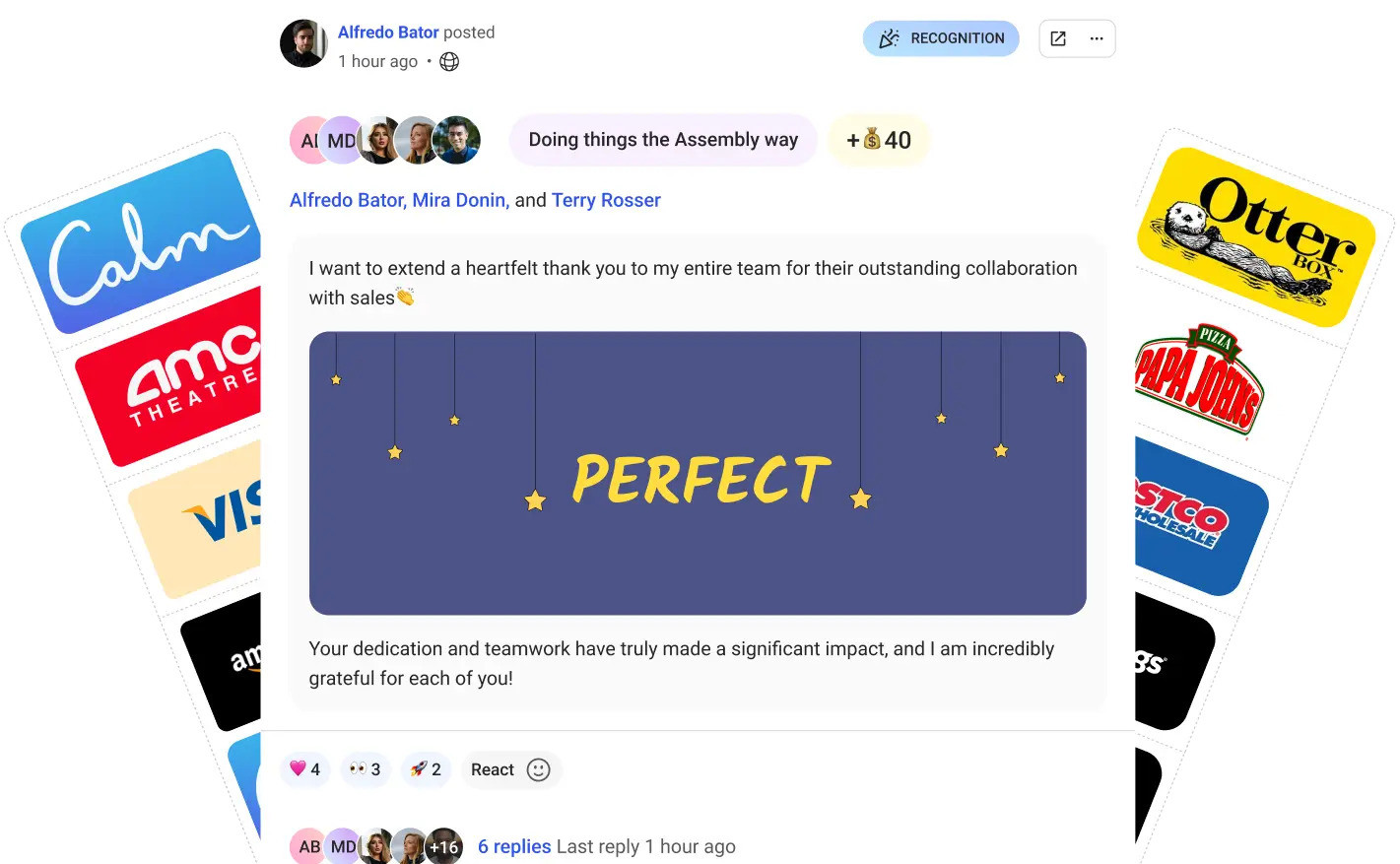
Recognition from a manager always matters. But recognition from the person sitting next to you, the one who watched you solve the problem in real time, hits differently. As an HR leader or manager, you cannot see every moment of good work. You are not in every conversation, every project handoff, or every small act of support that keeps a team moving. But employees see those moments every day.
That is where peer-to-peer recognition helps. It gives employees a simple way to appreciate each other in real time. It does not replace manager feedback. It adds another layer of recognition from the people closest to the work.
For HR teams, this matters because recognition should not depend only on whether a manager happened to notice. When appreciation flows across the team, more people feel seen for the work they actually do.
This guide covers everything that HR teams need to know about peer-to-peer recognition: what it means, why it matters, practical ideas you can use with your team, program structures, real examples and templates, software options, and how to measure the impact.
What Is Peer-to-Peer Recognition?
Peer-to-peer recognition is when employees recognize each other’s work directly, instead of waiting for a manager or HR to do it. The peer recognition meaning is straightforward: employees notice useful work from their colleagues and acknowledge it.
It can be as simple as thanking a teammate for helping with a project, mentioning someone’s contribution in a team meeting, sending a peer recognition card, or posting a short shoutout in Slack or Teams.
This matters because managers do not always see every contribution. Some work happens in small moments: answering a question, reviewing a document, helping a new hire, fixing an issue before it grows, or staying calm during a difficult handoff.
Peer appreciation helps those moments get recognized. It is usually most effective when the message is specific. For example:
“Thanks for helping me prepare for that client call. Your notes helped me feel much more confident.”
A message like this works because it says what the person did and how it helped.
Peer appreciation doesn't need to be formal or complicated. A specific, timely message from a colleague can carry more weight than a quarterly award from someone two levels up, because it comes from the person who was right there in the moment.
Why Peer-to-Peer Recognition Matters
Peer-to-peer recognition is important because managers do not see every part of an employee’s work. They may see the final output, but they may not see who helped fix a problem, answered questions, supported a new hire, reviewed the work, or stepped in when a deadline was tight. Peers usually have a closer view of these everyday contributions.
That is one of the main benefits of peer-to-peer recognition. It helps useful work get noticed more often, not only during performance reviews or formal awards.
It also makes recognition more frequent. Employees do not have to wait for a manager to notice something. A teammate can recognize the contribution when it happens.
1) Supports Employee Engagement
Recognition supports engagement because it helps employees feel that their work is visible to the people around them.
That is especially useful for work that happens behind the scenes, such as helping others, improving a process, answering questions, or solving a small issue before it becomes bigger. When employees feel seen by their teammates, they are more likely to feel connected to the work and the team.
2) Improves Retention
Peer recognition can reduce employee turnover by making people feel more connected to their team. It is one practical way HR teams can improve employee retention alongside better management, career growth, and employee engagement efforts.
Quantum Workplace found that organizations with formal recognition programs experience 31% less voluntary turnover. Recognition is not the only reason people stay or leave, but it can affect how valued employees feel at work.
When employees regularly receive appreciation from teammates, they are less likely to feel invisible. That sense of connection can support retention over time.
3) Builds a Stronger Team Culture
Peer recognition helps reinforce the behaviors a company wants to see more often. If employees recognize collaboration, patience, ownership, or problem-solving, those behaviors become easier to repeat. People understand what good work looks like because they see it being called out by their colleagues.
This is useful for HR teams because culture is not built only through policies. It is also shaped by what people notice, praise, and repeat in daily work.
4) Helps to Build Belongingness
A simple thank-you from a teammate can help someone feel included. This matters for new hires, remote employees, quiet contributors, and people whose work is not always public. Peer appreciation gives them more chances to be seen by the people they work with directly.
Belonging is not built through one big moment. It usually comes from repeated signals that someone’s work is noticed and valued.
5) Makes Recognition Less Dependent on Managers
Manager recognition still matters. But if recognition only comes from managers, it can become inconsistent. Some managers are good at giving feedback often. Others may forget, wait too long, or focus only on the most visible work.
Peer-to-peer recognition spreads the responsibility. It gives more people a role in noticing good work, which makes appreciation more consistent across the team.
Employee Peer-to-Peer Recognition Ideas
Coming up with peer-to-peer recognition ideas does not need to be complicated. The best peer appreciation ideas are usually specific, timely, and easy for anyone to use.
The point is not to create a big process for every thank-you. It is to make recognition easier to give in the normal flow of work. Some ideas work well in meetings. Some are better for Slack or Teams. Others are useful for remote teams, monthly programs, or peer-to-peer staff appreciation recognition.
Everyday recognition works best when it is quick and specific. These are the small moments employees can use during a normal workweek, without waiting for a formal award or monthly program.
Post a public shoutout in your team’s Slack or Teams channel naming exactly what the person did well
Send a quick thank-you voice message or video clip to a teammate after a tough week
Start each team meeting with two minutes for anyone to recognize a colleague
Leave a handwritten thank-you note on a teammate’s desk or mail one to a remote colleague
Tag a teammate in your company’s recognition platform with a specific callout tied to a company value
Team-Based Recognition Ideas
Team-based recognition makes appreciation more visible. It helps people see the kind of work their peers value, whether that is collaboration, problem-solving, ownership, or support during a difficult project.
Create a rotating “team MVP” spotlight that peers vote on each week
Host a monthly wins roundup where each team member shares someone else’s contribution
Start a peer nomination program for a quarterly team award
Build a shared document where team members add ongoing shoutouts for teammates
For more examples of public appreciation, see our guide on team shout outs.
Peer-to-Peer Recognition Ideas for Remote Teams
Remote teams often miss the casual recognition that happens in person. There are fewer hallway thank-yous, desk-side comments, or quick moments after a meeting. That is why remote recognition needs to be more intentional.
Open virtual meetings with a recognition round before jumping into agenda items
Create a dedicated recognition channel that remote employees can access anytime across time zones
Send a surprise care package to a remote teammate who went above and beyond
Use a peer recognition platform that integrates with Slack or Teams so remote employees can participate without switching tools
Pair remote teammates for monthly appreciation exchanges where each person shares what they value about the other
Creative and Fun Recognition Ideas
Not every recognition moment has to feel formal. Creative ideas can make appreciation feel lighter and more memorable, especially when they still connect back to real contributions.
Give out playful peer recognition awards like “Best Problem Solver” or “Calm Under Pressure Champion”
Create custom digital badges teammates can send to each other through your recognition platform
Set up a wall of fame, physical or virtual, that features peer-nominated highlights each month
Host a quarterly peer appreciation event where teammates read their favorite recognition messages
Let peers nominate each other for small experience-based rewards like an extended lunch or early Friday
Manager-Supported Peer Recognition Ideas
Peer recognition should come from employees, but managers can still help make it happen. Their role is to create space for appreciation, remind people to notice good work, and make sure quieter contributions are not missed.
Train managers to prompt peer recognition during one-on-ones by asking “Who helped you this week?”
Dedicate a section of team all-hands meetings specifically for peer shoutouts
Let managers amplify peer recognition by reposting standout shoutouts to a wider audience
Use recognition data to surface overlooked contributors during performance conversations
Give each team a small monthly budget for peer-nominated spot rewards
Peer-to-Peer Recognition Programs and Awards
Once employees have a few ways to recognize each other, the next step is structure. A peer-to-peer recognition program helps make recognition more consistent. It gives employees a clear place to share appreciation, a simple process to follow, and a regular cadence so recognition does not depend on memory alone.
The best peer-to-peer recognition programs are not heavy or complicated. They make it easier for people to recognize good work, while giving HR enough structure to track participation and keep the program fair.
Building a Peer-to-Peer Recognition Program
Start by deciding what kind of behavior you want employees to recognize. This could include collaboration, ownership, mentoring, customer support, problem-solving, innovation, or living company values. Once those behaviors are clear, employees know what to look for and what to call out.
Then choose a format. You can use a recognition platform, Slack or Teams channel, peer recognition cards, nomination forms, a recognition board, or a mix of these.
A good program usually includes:
Clear recognition criteria
A simple way to submit recognition
Examples of strong recognition messages
A regular cadence, such as weekly shoutouts or monthly awards
Manager support without making the program manager-owned
A program name helps recognition feel easier to remember and talk about. It should sound natural for your workplace, not like a forced HR campaign.
Here are some peer-to-peer recognition program name ideas:
High Fives
The Spotlight
Shoutout Station
Kudos Corner
Values in Action
The Ripple Effect
Cheers for Peers
Team Applause
Everyday Wins
Recognition Wall
Choose something that fits how your team actually speaks. A simple name is usually better than one that tries too hard to sound clever.
Peer Recognition Awards and Award Names
Peer recognition awards add a more formal layer to everyday appreciation. They work well when employees nominate each other for specific behaviors, values, or contributions.
The strongest awards are easy to understand. Employees should know what the award means and what kind of work deserves a nomination.
You can also align award names with company values. If one of your values is ownership, create an Ownership Award. If another value is curiosity, create a Curiosity in Action Award. This keeps the program connected to the behaviors you want employees to notice and repeat.
Peer-to-Peer Recognition Examples, Messages, and Templates
Even when employees want to recognize a teammate, they may not always know what to say. That is why examples and templates are useful.
A good recognition message does not need to be long. It should name the person, mention what they did, and explain why it helped. The examples below can be used for peer recognition cards, team shoutouts, Slack messages, award nominations, or a peer-to-peer recognition letter.
Peer-to-Peer Recognition Examples
These peer-to-peer recognition examples show how to recognize specific actions instead of using generic praise.
“You stayed late to help the team finish the report, and it made the deadline much easier to meet.”
“Your idea in the brainstorm helped us find a clearer direction for the campaign.”
“I noticed how much time you spent helping the new hire this week. That kind of support matters.”
“You handled that difficult client conversation with patience and clarity.”
“Your documentation saved the team a lot of confusion during the handoff.”
“Thanks for catching that error before it went live. Your attention to detail helped everyone.”
“The way you explained the issue made it easier for the whole team to contribute.”
“You stepped in when the project was stuck and helped us move forward.”
“ I appreciate how calmly you handled the last-minute change.”
“You helped another team even though it was outside your usual work. That is a strong example of teamwork.”
The best shout-out messages are short, specific, and easy to share in public channels or meetings. These shout-out message examples can be adapted for Slack, Teams, email, or a recognition platform.
“Huge shoutout to [Name] for jumping in to help while I was out. You made the transition smooth.”
“Shoutout to [Name] for leading a clear and useful client presentation this week.”
“[Name], your steady attitude during a difficult sprint helped the team stay focused.”
“Quick shoutout to [Name] for always being willing to answer questions when someone is stuck.”
“Shoutout to [Name] for taking ownership of a project that needed extra attention.”
“[Name], great work this week. The client feedback shows how much care you put into it.”
“Shoutout to [Name] for bringing practical ideas to every meeting.”
“[Name], thanks for making the work easier for the rest of the team.”
“Shoutout to [Name] for creating an onboarding doc that will help every new hire after this.”
“[Name], your calm response during that issue helped everyone stay on track.”
Peer Recognition and Appreciation Quotes
Peer recognition and appreciation quotes can be useful in recognition cards, internal newsletters, award slides, or program launch materials. Use them lightly. A direct message from a teammate usually matters more than a quote.
“Appreciation is a wonderful thing. It makes what is excellent in others belong to us as well.” - Voltaire
“The deepest principle in human nature is the craving to be appreciated.” - William James
“Feeling gratitude and not expressing it is like wrapping a present and not giving it.” - William Arthur Ward
“Everyone wants to be appreciated, so if you appreciate someone, do not keep it a secret.” - Mary Kay Ash
“What gets recognized gets repeated.” - Unknown
“Recognition is not a scarce resource. You cannot use it up or run out of it.” - Susan M. Heathfield
“People work for money but go the extra mile for recognition, praise, and rewards.” - Dale Carnegie
“A person who feels appreciated will always do more than what is expected.” - Unknown
“When people are emotionally invested, they want to contribute.” - Simon Sinek
“Gratitude turns what we have into enough.” - Unknown
Sometimes employees struggle because they only have “great job” or “thank you” in mind. These words to describe a good team member can help make recognition more specific.
Dependable
Collaborative
Supportive
Resourceful
Proactive
Patient
Thorough
Adaptable
Encouraging
Trustworthy
These peer-to-peer recognition words work best when they are tied to a real example. Instead of writing: “Thanks for being dependable.” Try writing: “Thanks for being so dependable during the launch. Your follow-up helped us avoid delays.”
Peer-to-Peer Recognition Templates
A peer-to-peer recognition template makes it easier for employees to write meaningful messages without starting from scratch. These employee appreciation templates can be used for peer recognition cards, Slack messages, award nominations, or email notes.
“I want to recognize [Name] for [specific action]. It helped our team by [impact].”
“Shoutout to [Name] for going above and beyond on [project/task]. Your [specific contribution] made a real difference.”
“[Name], I appreciate how you [specific behavior]. It helped because [reason].”
“Thank you, [Name], for [action]. I know it took extra effort, and it did not go unnoticed.”
“I am nominating [Name] for [award name] because [reason].”
“Dear [Name], I wanted to recognize your work on [project]. Your [contribution] helped us [outcome].”
“[Name] deserves a shoutout for [specific moment]. It was a strong example of [company value].”
“This week’s recognition goes to [Name] for [action]. Our team benefited because [impact].”
“[Name], your [quality] during [situation] helped the team stay on track.”
“I appreciate [Name] for [contribution]. This is the kind of work that makes a team stronger.”
Rolling out a peer recognition program does not need to be a major HR initiative. Most successful programs start small, keep the process simple, and improve over time. Here are the key steps:
Define what you are recognizing. Tie recognition categories to company values so employees know what behaviors to call out.
Choose your format. Decide whether you will use a recognition platform, Slack channel, physical board, nomination form, peer recognition cards, or a combination.
Make it easy. If recognition takes too long, participation drops. Give employees simple prompts, examples, and templates they can use quickly.
Get leadership buy-in. Managers and leaders should model recognition first. When employees see leaders participating, they are more likely to join in.
Launch and promote. Explain how the program works, where recognition should happen, and what a good recognition message looks like.
Measure and adjust. Track participation, gather feedback, and refine the program quarterly based on what you learn.
A simple rollout is usually enough to start. Once employees understand the habit and begin using it regularly, you can add more structure, rewards, or reporting as needed.
How to Build a Culture of Peer-to-Peer Recognition
Knowing how to encourage peer-to-peer recognition is not only about launching a program. Employees need to see recognition as part of normal work, not as something HR reminds them to do once in a while.
Start by adding recognition to routines that already exist. Leave a few minutes for peer shoutouts in team meetings. Add a “who helped you this week?” question to one-on-one agendas. Share strong recognition examples in internal updates. When recognition happens regularly and in public, employees understand what it looks like and are more likely to take part.
Managers also play a role. They do not need to control peer recognition, but they can make space for it. When managers ask employees to recognize peers, call attention to good examples, and model specific appreciation themselves, participation becomes easier across the team.
That is how to create a culture of peer-to-peer recognition. The habit has to be visible, simple, and repeated. Studies have found that only 19% of employees say they are recognized weekly. Closing that gap is how teams move from occasional appreciation to recognition that feels normal.
Peer-to-Peer Recognition Software and Platforms
Peer recognition can start without software, but a dedicated tool helps when you want to make it easier to manage across teams, locations, and remote employees.
The right peer-to-peer recognition software gives employees a simple place to share appreciation. It also gives HR teams a way to track participation, spot gaps, and understand whether recognition is happening consistently.
How Peer-to-Peer Recognition Tools Help
A good peer-to-peer recognition platform makes appreciation easy, visible, and measurable. Many platforms integrate with tools employees already use, such as Slack, Microsoft Teams, or an HRIS, so recognition can happen without adding another complicated step.
These tools also give HR teams data they would not have otherwise: who is being recognized, how often recognition happens, and which teams or departments may be less active.
That visibility can help HR spot engagement gaps before they become retention problems. Many popular peer-to-peer recognition solutions for remote teams also include asynchronous recognition, time-zone-friendly notifications, mobile access, and tools with peer-to-peer recognition examples built in.
How to Choose a Peer-to-Peer Recognition Platform
When evaluating the best peer-to-peer employee recognition software, look for features that support both employees and HR teams. Useful features include:
Integration with Slack, Teams, or your existing HRIS
Points-based rewards with a flexible catalog, such as gift cards, donations, swag, or experiences
Automated milestone celebrations for birthdays and work anniversaries
Analytics dashboards that show recognition patterns and engagement trends
Easy setup and simple employee adoption
Mobile access for frontline, remote, and deskless workers
The best business software with peer-to-peer recognition should make recognition easier to give, not harder to manage.
Best Peer-to-Peer Recognition Software
The best peer-to-peer recognition software depends on your team size, budget, and goals. For a detailed comparison, see this guide to the best employee recognition software. It covers features, pricing, and what to consider when comparing platforms.
And if you want a broader tool set that combines recognition with surveys, feedback, and performance management, this guide to employee engagement software can also help.
For remote teams, the best option should support asynchronous recognition, time-zone-friendly notifications, and strong integrations with virtual collaboration tools, so distributed employees can participate as easily as in-office teams.
How Do You Measure the ROI of a Peer Recognition Program?
A common question HR teams ask is how peer-to-peer recognition tools measure ROI on engagement and retention. It starts with tracking what changes before and after launch.
The goal is not to prove that recognition caused every improvement on its own. It is to understand whether more frequent recognition is connected to better engagement, stronger retention, and healthier team behavior.
Here are the main areas to track:
Participation rates: What percentage of employees are giving and receiving recognition regularly?
Engagement scores: Are survey results improving in teams where recognition is active?
Retention data: Is voluntary turnover lower in departments with higher recognition activity?
Manager feedback: Are managers seeing better morale, collaboration, or follow-through?
Recognition frequency: Is recognition happening weekly, or only during reviews and formal awards?
The connection between recognition and business outcomes is well documented. The 2026 Engagement and Retention report found that employees who feel appreciated are 17 times more likely to see a long-term career with their employer. That kind of loyalty can affect hiring costs, institutional knowledge, and team stability.
Over time, the clearest ROI comes from comparing recognition activity with engagement scores, retention trends, and manager feedback. If teams with stronger recognition habits also show better engagement and lower turnover, the program is doing useful work.
How Assembly and Quantum Workplace Powers Employee Peer-to-Peer Recognition
Assembly helps teams make peer-to-peer recognition easier to give and easier to see. Employees can recognize teammates through Slack, Microsoft Teams, or connected workplace tools, so appreciation fits into the way people already work.
Each recognition post can be tied to company values and shared on a live company feed. This helps make good work visible across teams, not just inside one manager’s view. Assembly also supports milestone celebrations for birthdays and work anniversaries, along with rewards such as gift cards, charitable donations, swag, and custom culture rewards.
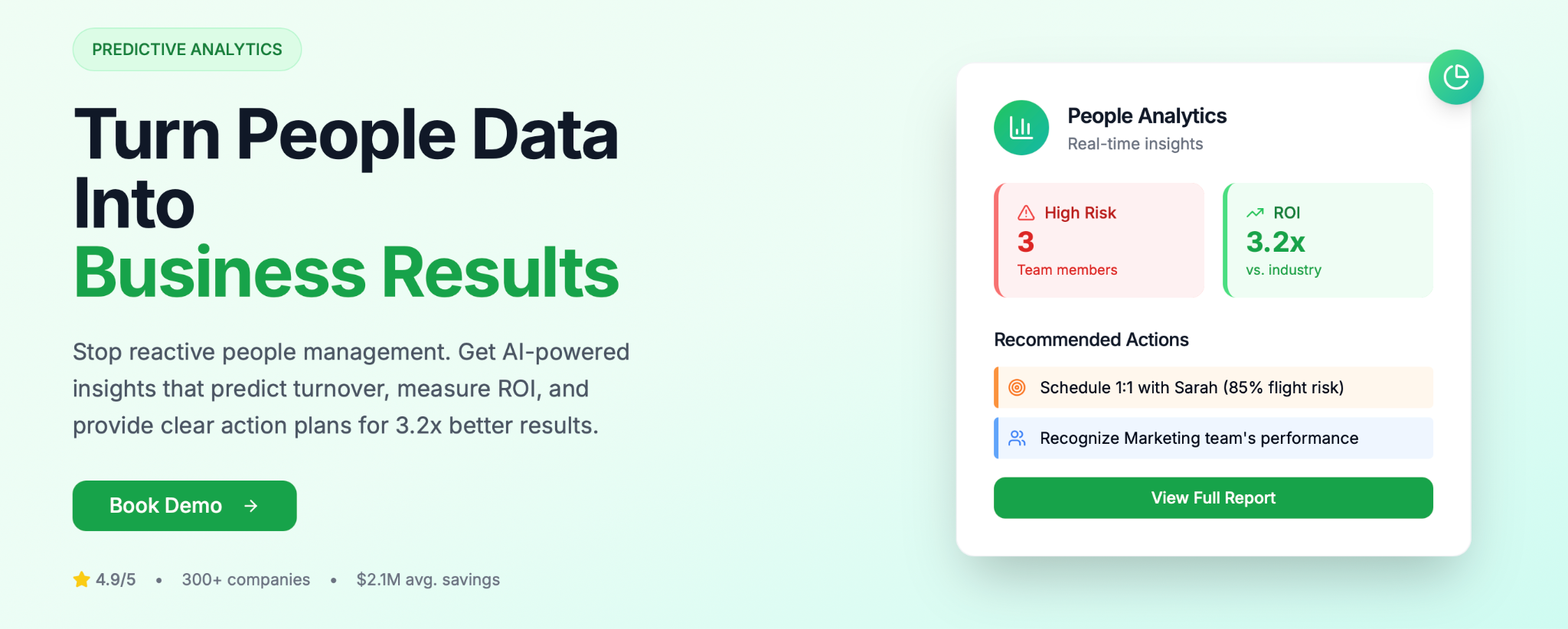
For HR leaders and managers, Assembly’s recognition analytics show who is being recognized, how often recognition is happening, and where some teams may need more support. Dora AI can help surface trends and identify overlooked contributors, so recognition gaps are easier to spot.
Quantum Workplace adds engagement surveys,performance reviews, and goal tracking. Together, Assembly and Quantum Workplace give HR teams a clearer view of how recognition, engagement, and retention connect.
If your goal is to make recognition more consistent, Assembly gives employees a simple way to appreciate each other and gives HR the data to understand what is working.
Ready to see how it works? Book a demo with Assembly and explore how peer recognition, rewards, and engagement come together in one place.
Final Words
Peer-to-peer recognition does not need a large budget or a complicated rollout. It starts with employees noticing each other’s effort and saying something specific about it.
Build that habit into the way your team already works. Use the ideas, templates, and program structures in this guide to make recognition easier to give and easier to repeat.
You can also use monthly recognition ideas to keep the program active after launch. The goal is not to create more HR work. It is to help employees feel seen by the people they work with every day.
When peer recognition becomes part of normal work, teams are more likely to feel connected, supported, and willing to keep showing up for each other.
Frequently Asked Questions
How does peer recognition reduce employee turnover?
Peer recognition can reduce employee turnover by helping employees feel more connected to their team. When people are regularly appreciated by the colleagues they work with every day, they are less likely to feel invisible or disconnected. It does not replace fair pay, good management, or career growth, but it can support retention by making appreciation more consistent across the workplace.
What are some good peer-to-peer recognition programme names?
Good peer-to-peer recognition programme names are simple, clear, and easy to use in conversation. Examples include High Fives, Kudos Corner, Shoutout Station, Values in Action, The Ripple Effect, Cheers for Peers, Team Applause, Everyday Wins, and Recognition Wall. The best name is one that fits your company culture and does not feel forced.
What is the best peer-to-peer recognition software for remote teams?
The best peer-to-peer recognition software for remote teams should make recognition easy across locations and time zones. Look for tools that integrate with Slack or Microsoft Teams, support asynchronous recognition, include a flexible rewards catalogue, and provide analytics on recognition activity. Assembly is a strong option because employees can recognise teammates inside the tools they already use.
How often should employees give peer recognition?
There is no fixed rule, but recognition works best when it happens regularly. For many teams, weekly recognition is a good starting point. It keeps appreciation visible without making it feel forced. Even one specific shout-out each week can help employees feel more seen.
What is the difference between peer recognition and manager recognition?
Manager recognition comes from someone in a leadership role and often connects to performance, goals, promotions, or formal feedback. Peer recognition comes from colleagues who see the day-to-day work more closely. Both are useful. Manager recognition gives direction and validation, while peer recognition helps everyday effort get noticed.
How do you start a peer recognition programme from scratch?
Start by deciding what behaviours you want employees to recognise. Then choose a simple format, such as a Slack channel, recognition platform, nomination form, or peer-to-peer recognition board. Share examples of good recognition messages, ask managers to model participation, and review participation regularly. Start small, then add more structure as the programme grows.
Can peer recognition work without a software platform?
Yes. Peer recognition can work without software, especially for small teams. Employees can use Slack channels, shared documents, physical boards, handwritten notes, meeting shout-outs, or peer recognition cards. Software helps with scale, reporting, rewards, and consistency, but the habit can start with simple tools.
What should a peer recognition message include?
A good peer recognition message should include the person's name, what they did, and why it mattered. For example: "Thanks to [Name] for helping me prepare for the client call. Your notes helped me answer questions clearly and made the meeting much smoother." Specific messages are more meaningful than generic praise.
What are the best research tools for peer recognition programmes in the workplace?
Most HR teams build their business case using published workforce research. Annual reports on recognition, engagement, and retention from established research institutes are good starting points for benchmarking your programme and identifying areas for improvement.
How do you keep peer recognition active after launch?
Keep recognition visible in normal team routines. Add peer shout-outs to meetings, highlight strong examples in internal updates, and use monthly recognition ideas to keep the programme from going quiet. It also helps to connect recognition to a wider culture of support. For more guidance, see this guide on creating a supportive work environment with peer-to-peer recognition.
class SampleComponent extends React.Component {
  // using the experimental public class field syntax below. We can also attach
  // the contextType to the current class
  static contextType = ColorContext;
  render() {
    return <Button color={this.color} />
  }
}
Recognition from a manager always matters. But recognition from the person sitting next to you, the one who watched you solve the problem in real time, hits differently. As an HR leader or manager, you cannot see every moment of good work. You are not in every conversation, every project handoff, or every small act of support that keeps a team moving. But employees see those moments every day.
That is where peer-to-peer recognition helps. It gives employees a simple way to appreciate each other in real time. It does not replace manager feedback. It adds another layer of recognition from the people closest to the work.
For HR teams, this matters because recognition should not depend only on whether a manager happened to notice. When appreciation flows across the team, more people feel seen for the work they actually do.
This guide covers everything that HR teams need to know about peer-to-peer recognition: what it means, why it matters, practical ideas you can use with your team, program structures, real examples and templates, software options, and how to measure the impact.
What Is Peer-to-Peer Recognition?
Peer-to-peer recognition is when employees recognize each other’s work directly, instead of waiting for a manager or HR to do it. The peer recognition meaning is straightforward: employees notice useful work from their colleagues and acknowledge it.
It can be as simple as thanking a teammate for helping with a project, mentioning someone’s contribution in a team meeting, sending a peer recognition card, or posting a short shoutout in Slack or Teams.
This matters because managers do not always see every contribution. Some work happens in small moments: answering a question, reviewing a document, helping a new hire, fixing an issue before it grows, or staying calm during a difficult handoff.
Peer appreciation helps those moments get recognized. It is usually most effective when the message is specific. For example:
“Thanks for helping me prepare for that client call. Your notes helped me feel much more confident.”
A message like this works because it says what the person did and how it helped.
Peer appreciation doesn't need to be formal or complicated. A specific, timely message from a colleague can carry more weight than a quarterly award from someone two levels up, because it comes from the person who was right there in the moment.
Why Peer-to-Peer Recognition Matters
Peer-to-peer recognition is important because managers do not see every part of an employee’s work. They may see the final output, but they may not see who helped fix a problem, answered questions, supported a new hire, reviewed the work, or stepped in when a deadline was tight. Peers usually have a closer view of these everyday contributions.
That is one of the main benefits of peer-to-peer recognition. It helps useful work get noticed more often, not only during performance reviews or formal awards.
It also makes recognition more frequent. Employees do not have to wait for a manager to notice something. A teammate can recognize the contribution when it happens.
1) Supports Employee Engagement
Recognition supports engagement because it helps employees feel that their work is visible to the people around them.
That is especially useful for work that happens behind the scenes, such as helping others, improving a process, answering questions, or solving a small issue before it becomes bigger. When employees feel seen by their teammates, they are more likely to feel connected to the work and the team.
2) Improves Retention
Peer recognition can reduce employee turnover by making people feel more connected to their team. It is one practical way HR teams can improve employee retention alongside better management, career growth, and employee engagement efforts.
Quantum Workplace found that organizations with formal recognition programs experience 31% less voluntary turnover. Recognition is not the only reason people stay or leave, but it can affect how valued employees feel at work.
When employees regularly receive appreciation from teammates, they are less likely to feel invisible. That sense of connection can support retention over time.
3) Builds a Stronger Team Culture
Peer recognition helps reinforce the behaviors a company wants to see more often. If employees recognize collaboration, patience, ownership, or problem-solving, those behaviors become easier to repeat. People understand what good work looks like because they see it being called out by their colleagues.
This is useful for HR teams because culture is not built only through policies. It is also shaped by what people notice, praise, and repeat in daily work.
4) Helps to Build Belongingness
A simple thank-you from a teammate can help someone feel included. This matters for new hires, remote employees, quiet contributors, and people whose work is not always public. Peer appreciation gives them more chances to be seen by the people they work with directly.
Belonging is not built through one big moment. It usually comes from repeated signals that someone’s work is noticed and valued.
5) Makes Recognition Less Dependent on Managers
Manager recognition still matters. But if recognition only comes from managers, it can become inconsistent. Some managers are good at giving feedback often. Others may forget, wait too long, or focus only on the most visible work.
Peer-to-peer recognition spreads the responsibility. It gives more people a role in noticing good work, which makes appreciation more consistent across the team.
Employee Peer-to-Peer Recognition Ideas
Coming up with peer-to-peer recognition ideas does not need to be complicated. The best peer appreciation ideas are usually specific, timely, and easy for anyone to use.
The point is not to create a big process for every thank-you. It is to make recognition easier to give in the normal flow of work. Some ideas work well in meetings. Some are better for Slack or Teams. Others are useful for remote teams, monthly programs, or peer-to-peer staff appreciation recognition.
Everyday recognition works best when it is quick and specific. These are the small moments employees can use during a normal workweek, without waiting for a formal award or monthly program.
Post a public shoutout in your team’s Slack or Teams channel naming exactly what the person did well
Send a quick thank-you voice message or video clip to a teammate after a tough week
Start each team meeting with two minutes for anyone to recognize a colleague
Leave a handwritten thank-you note on a teammate’s desk or mail one to a remote colleague
Tag a teammate in your company’s recognition platform with a specific callout tied to a company value
Team-Based Recognition Ideas
Team-based recognition makes appreciation more visible. It helps people see the kind of work their peers value, whether that is collaboration, problem-solving, ownership, or support during a difficult project.
Create a rotating “team MVP” spotlight that peers vote on each week
Host a monthly wins roundup where each team member shares someone else’s contribution
Start a peer nomination program for a quarterly team award
Build a shared document where team members add ongoing shoutouts for teammates
For more examples of public appreciation, see our guide on team shout outs.
Peer-to-Peer Recognition Ideas for Remote Teams
Remote teams often miss the casual recognition that happens in person. There are fewer hallway thank-yous, desk-side comments, or quick moments after a meeting. That is why remote recognition needs to be more intentional.
Open virtual meetings with a recognition round before jumping into agenda items
Create a dedicated recognition channel that remote employees can access anytime across time zones
Send a surprise care package to a remote teammate who went above and beyond
Use a peer recognition platform that integrates with Slack or Teams so remote employees can participate without switching tools
Pair remote teammates for monthly appreciation exchanges where each person shares what they value about the other
Creative and Fun Recognition Ideas
Not every recognition moment has to feel formal. Creative ideas can make appreciation feel lighter and more memorable, especially when they still connect back to real contributions.
Give out playful peer recognition awards like “Best Problem Solver” or “Calm Under Pressure Champion”
Create custom digital badges teammates can send to each other through your recognition platform
Set up a wall of fame, physical or virtual, that features peer-nominated highlights each month
Host a quarterly peer appreciation event where teammates read their favorite recognition messages
Let peers nominate each other for small experience-based rewards like an extended lunch or early Friday
Manager-Supported Peer Recognition Ideas
Peer recognition should come from employees, but managers can still help make it happen. Their role is to create space for appreciation, remind people to notice good work, and make sure quieter contributions are not missed.
Train managers to prompt peer recognition during one-on-ones by asking “Who helped you this week?”
Dedicate a section of team all-hands meetings specifically for peer shoutouts
Let managers amplify peer recognition by reposting standout shoutouts to a wider audience
Use recognition data to surface overlooked contributors during performance conversations
Give each team a small monthly budget for peer-nominated spot rewards
Peer-to-Peer Recognition Programs and Awards
Once employees have a few ways to recognize each other, the next step is structure. A peer-to-peer recognition program helps make recognition more consistent. It gives employees a clear place to share appreciation, a simple process to follow, and a regular cadence so recognition does not depend on memory alone.
The best peer-to-peer recognition programs are not heavy or complicated. They make it easier for people to recognize good work, while giving HR enough structure to track participation and keep the program fair.
Building a Peer-to-Peer Recognition Program
Start by deciding what kind of behavior you want employees to recognize. This could include collaboration, ownership, mentoring, customer support, problem-solving, innovation, or living company values. Once those behaviors are clear, employees know what to look for and what to call out.
Then choose a format. You can use a recognition platform, Slack or Teams channel, peer recognition cards, nomination forms, a recognition board, or a mix of these.
A good program usually includes:
Clear recognition criteria
A simple way to submit recognition
Examples of strong recognition messages
A regular cadence, such as weekly shoutouts or monthly awards
Manager support without making the program manager-owned
A program name helps recognition feel easier to remember and talk about. It should sound natural for your workplace, not like a forced HR campaign.
Here are some peer-to-peer recognition program name ideas:
High Fives
The Spotlight
Shoutout Station
Kudos Corner
Values in Action
The Ripple Effect
Cheers for Peers
Team Applause
Everyday Wins
Recognition Wall
Choose something that fits how your team actually speaks. A simple name is usually better than one that tries too hard to sound clever.
Peer Recognition Awards and Award Names
Peer recognition awards add a more formal layer to everyday appreciation. They work well when employees nominate each other for specific behaviors, values, or contributions.
The strongest awards are easy to understand. Employees should know what the award means and what kind of work deserves a nomination.
You can also align award names with company values. If one of your values is ownership, create an Ownership Award. If another value is curiosity, create a Curiosity in Action Award. This keeps the program connected to the behaviors you want employees to notice and repeat.
Peer-to-Peer Recognition Examples, Messages, and Templates
Even when employees want to recognize a teammate, they may not always know what to say. That is why examples and templates are useful.
A good recognition message does not need to be long. It should name the person, mention what they did, and explain why it helped. The examples below can be used for peer recognition cards, team shoutouts, Slack messages, award nominations, or a peer-to-peer recognition letter.
Peer-to-Peer Recognition Examples
These peer-to-peer recognition examples show how to recognize specific actions instead of using generic praise.
“You stayed late to help the team finish the report, and it made the deadline much easier to meet.”
“Your idea in the brainstorm helped us find a clearer direction for the campaign.”
“I noticed how much time you spent helping the new hire this week. That kind of support matters.”
“You handled that difficult client conversation with patience and clarity.”
“Your documentation saved the team a lot of confusion during the handoff.”
“Thanks for catching that error before it went live. Your attention to detail helped everyone.”
“The way you explained the issue made it easier for the whole team to contribute.”
“You stepped in when the project was stuck and helped us move forward.”
“ I appreciate how calmly you handled the last-minute change.”
“You helped another team even though it was outside your usual work. That is a strong example of teamwork.”
The best shout-out messages are short, specific, and easy to share in public channels or meetings. These shout-out message examples can be adapted for Slack, Teams, email, or a recognition platform.
“Huge shoutout to [Name] for jumping in to help while I was out. You made the transition smooth.”
“Shoutout to [Name] for leading a clear and useful client presentation this week.”
“[Name], your steady attitude during a difficult sprint helped the team stay focused.”
“Quick shoutout to [Name] for always being willing to answer questions when someone is stuck.”
“Shoutout to [Name] for taking ownership of a project that needed extra attention.”
“[Name], great work this week. The client feedback shows how much care you put into it.”
“Shoutout to [Name] for bringing practical ideas to every meeting.”
“[Name], thanks for making the work easier for the rest of the team.”
“Shoutout to [Name] for creating an onboarding doc that will help every new hire after this.”
“[Name], your calm response during that issue helped everyone stay on track.”
Peer Recognition and Appreciation Quotes
Peer recognition and appreciation quotes can be useful in recognition cards, internal newsletters, award slides, or program launch materials. Use them lightly. A direct message from a teammate usually matters more than a quote.
“Appreciation is a wonderful thing. It makes what is excellent in others belong to us as well.” - Voltaire
“The deepest principle in human nature is the craving to be appreciated.” - William James
“Feeling gratitude and not expressing it is like wrapping a present and not giving it.” - William Arthur Ward
“Everyone wants to be appreciated, so if you appreciate someone, do not keep it a secret.” - Mary Kay Ash
“What gets recognized gets repeated.” - Unknown
“Recognition is not a scarce resource. You cannot use it up or run out of it.” - Susan M. Heathfield
“People work for money but go the extra mile for recognition, praise, and rewards.” - Dale Carnegie
“A person who feels appreciated will always do more than what is expected.” - Unknown
“When people are emotionally invested, they want to contribute.” - Simon Sinek
“Gratitude turns what we have into enough.” - Unknown
Sometimes employees struggle because they only have “great job” or “thank you” in mind. These words to describe a good team member can help make recognition more specific.
Dependable
Collaborative
Supportive
Resourceful
Proactive
Patient
Thorough
Adaptable
Encouraging
Trustworthy
These peer-to-peer recognition words work best when they are tied to a real example. Instead of writing: “Thanks for being dependable.” Try writing: “Thanks for being so dependable during the launch. Your follow-up helped us avoid delays.”
Peer-to-Peer Recognition Templates
A peer-to-peer recognition template makes it easier for employees to write meaningful messages without starting from scratch. These employee appreciation templates can be used for peer recognition cards, Slack messages, award nominations, or email notes.
“I want to recognize [Name] for [specific action]. It helped our team by [impact].”
“Shoutout to [Name] for going above and beyond on [project/task]. Your [specific contribution] made a real difference.”
“[Name], I appreciate how you [specific behavior]. It helped because [reason].”
“Thank you, [Name], for [action]. I know it took extra effort, and it did not go unnoticed.”
“I am nominating [Name] for [award name] because [reason].”
“Dear [Name], I wanted to recognize your work on [project]. Your [contribution] helped us [outcome].”
“[Name] deserves a shoutout for [specific moment]. It was a strong example of [company value].”
“This week’s recognition goes to [Name] for [action]. Our team benefited because [impact].”
“[Name], your [quality] during [situation] helped the team stay on track.”
“I appreciate [Name] for [contribution]. This is the kind of work that makes a team stronger.”
Rolling out a peer recognition program does not need to be a major HR initiative. Most successful programs start small, keep the process simple, and improve over time. Here are the key steps:
Define what you are recognizing. Tie recognition categories to company values so employees know what behaviors to call out.
Choose your format. Decide whether you will use a recognition platform, Slack channel, physical board, nomination form, peer recognition cards, or a combination.
Make it easy. If recognition takes too long, participation drops. Give employees simple prompts, examples, and templates they can use quickly.
Get leadership buy-in. Managers and leaders should model recognition first. When employees see leaders participating, they are more likely to join in.
Launch and promote. Explain how the program works, where recognition should happen, and what a good recognition message looks like.
Measure and adjust. Track participation, gather feedback, and refine the program quarterly based on what you learn.
A simple rollout is usually enough to start. Once employees understand the habit and begin using it regularly, you can add more structure, rewards, or reporting as needed.
How to Build a Culture of Peer-to-Peer Recognition
Knowing how to encourage peer-to-peer recognition is not only about launching a program. Employees need to see recognition as part of normal work, not as something HR reminds them to do once in a while.
Start by adding recognition to routines that already exist. Leave a few minutes for peer shoutouts in team meetings. Add a “who helped you this week?” question to one-on-one agendas. Share strong recognition examples in internal updates. When recognition happens regularly and in public, employees understand what it looks like and are more likely to take part.
Managers also play a role. They do not need to control peer recognition, but they can make space for it. When managers ask employees to recognize peers, call attention to good examples, and model specific appreciation themselves, participation becomes easier across the team.
That is how to create a culture of peer-to-peer recognition. The habit has to be visible, simple, and repeated. Studies have found that only 19% of employees say they are recognized weekly. Closing that gap is how teams move from occasional appreciation to recognition that feels normal.
Peer-to-Peer Recognition Software and Platforms
Peer recognition can start without software, but a dedicated tool helps when you want to make it easier to manage across teams, locations, and remote employees.
The right peer-to-peer recognition software gives employees a simple place to share appreciation. It also gives HR teams a way to track participation, spot gaps, and understand whether recognition is happening consistently.
How Peer-to-Peer Recognition Tools Help
A good peer-to-peer recognition platform makes appreciation easy, visible, and measurable. Many platforms integrate with tools employees already use, such as Slack, Microsoft Teams, or an HRIS, so recognition can happen without adding another complicated step.
These tools also give HR teams data they would not have otherwise: who is being recognized, how often recognition happens, and which teams or departments may be less active.
That visibility can help HR spot engagement gaps before they become retention problems. Many popular peer-to-peer recognition solutions for remote teams also include asynchronous recognition, time-zone-friendly notifications, mobile access, and tools with peer-to-peer recognition examples built in.
How to Choose a Peer-to-Peer Recognition Platform
When evaluating the best peer-to-peer employee recognition software, look for features that support both employees and HR teams. Useful features include:
Integration with Slack, Teams, or your existing HRIS
Points-based rewards with a flexible catalog, such as gift cards, donations, swag, or experiences
Automated milestone celebrations for birthdays and work anniversaries
Analytics dashboards that show recognition patterns and engagement trends
Easy setup and simple employee adoption
Mobile access for frontline, remote, and deskless workers
The best business software with peer-to-peer recognition should make recognition easier to give, not harder to manage.
Best Peer-to-Peer Recognition Software
The best peer-to-peer recognition software depends on your team size, budget, and goals. For a detailed comparison, see this guide to the best employee recognition software. It covers features, pricing, and what to consider when comparing platforms.
And if you want a broader tool set that combines recognition with surveys, feedback, and performance management, this guide to employee engagement software can also help.
For remote teams, the best option should support asynchronous recognition, time-zone-friendly notifications, and strong integrations with virtual collaboration tools, so distributed employees can participate as easily as in-office teams.
How Do You Measure the ROI of a Peer Recognition Program?
A common question HR teams ask is how peer-to-peer recognition tools measure ROI on engagement and retention. It starts with tracking what changes before and after launch.
The goal is not to prove that recognition caused every improvement on its own. It is to understand whether more frequent recognition is connected to better engagement, stronger retention, and healthier team behavior.
Here are the main areas to track:
Participation rates: What percentage of employees are giving and receiving recognition regularly?
Engagement scores: Are survey results improving in teams where recognition is active?
Retention data: Is voluntary turnover lower in departments with higher recognition activity?
Manager feedback: Are managers seeing better morale, collaboration, or follow-through?
Recognition frequency: Is recognition happening weekly, or only during reviews and formal awards?
The connection between recognition and business outcomes is well documented. The 2026 Engagement and Retention report found that employees who feel appreciated are 17 times more likely to see a long-term career with their employer. That kind of loyalty can affect hiring costs, institutional knowledge, and team stability.
Over time, the clearest ROI comes from comparing recognition activity with engagement scores, retention trends, and manager feedback. If teams with stronger recognition habits also show better engagement and lower turnover, the program is doing useful work.
How Assembly and Quantum Workplace Powers Employee Peer-to-Peer Recognition
Assembly helps teams make peer-to-peer recognition easier to give and easier to see. Employees can recognize teammates through Slack, Microsoft Teams, or connected workplace tools, so appreciation fits into the way people already work.
Each recognition post can be tied to company values and shared on a live company feed. This helps make good work visible across teams, not just inside one manager’s view. Assembly also supports milestone celebrations for birthdays and work anniversaries, along with rewards such as gift cards, charitable donations, swag, and custom culture rewards.
For HR leaders and managers, Assembly’s recognition analytics show who is being recognized, how often recognition is happening, and where some teams may need more support. Dora AI can help surface trends and identify overlooked contributors, so recognition gaps are easier to spot.
Quantum Workplace adds engagement surveys,performance reviews, and goal tracking. Together, Assembly and Quantum Workplace give HR teams a clearer view of how recognition, engagement, and retention connect.
If your goal is to make recognition more consistent, Assembly gives employees a simple way to appreciate each other and gives HR the data to understand what is working.
Ready to see how it works? Book a demo with Assembly and explore how peer recognition, rewards, and engagement come together in one place.
Final Words
Peer-to-peer recognition does not need a large budget or a complicated rollout. It starts with employees noticing each other’s effort and saying something specific about it.
Build that habit into the way your team already works. Use the ideas, templates, and program structures in this guide to make recognition easier to give and easier to repeat.
You can also use monthly recognition ideas to keep the program active after launch. The goal is not to create more HR work. It is to help employees feel seen by the people they work with every day.
When peer recognition becomes part of normal work, teams are more likely to feel connected, supported, and willing to keep showing up for each other.
Frequently Asked Questions
How does peer recognition reduce employee turnover?
Peer recognition can reduce employee turnover by helping employees feel more connected to their team. When people are regularly appreciated by the colleagues they work with every day, they are less likely to feel invisible or disconnected. It does not replace fair pay, good management, or career growth, but it can support retention by making appreciation more consistent across the workplace.
What are some good peer-to-peer recognition programme names?
Good peer-to-peer recognition programme names are simple, clear, and easy to use in conversation. Examples include High Fives, Kudos Corner, Shoutout Station, Values in Action, The Ripple Effect, Cheers for Peers, Team Applause, Everyday Wins, and Recognition Wall. The best name is one that fits your company culture and does not feel forced.
What is the best peer-to-peer recognition software for remote teams?
The best peer-to-peer recognition software for remote teams should make recognition easy across locations and time zones. Look for tools that integrate with Slack or Microsoft Teams, support asynchronous recognition, include a flexible rewards catalogue, and provide analytics on recognition activity. Assembly is a strong option because employees can recognise teammates inside the tools they already use.
How often should employees give peer recognition?
There is no fixed rule, but recognition works best when it happens regularly. For many teams, weekly recognition is a good starting point. It keeps appreciation visible without making it feel forced. Even one specific shout-out each week can help employees feel more seen.
What is the difference between peer recognition and manager recognition?
Manager recognition comes from someone in a leadership role and often connects to performance, goals, promotions, or formal feedback. Peer recognition comes from colleagues who see the day-to-day work more closely. Both are useful. Manager recognition gives direction and validation, while peer recognition helps everyday effort get noticed.
How do you start a peer recognition programme from scratch?
Start by deciding what behaviours you want employees to recognise. Then choose a simple format, such as a Slack channel, recognition platform, nomination form, or peer-to-peer recognition board. Share examples of good recognition messages, ask managers to model participation, and review participation regularly. Start small, then add more structure as the programme grows.
Can peer recognition work without a software platform?
Yes. Peer recognition can work without software, especially for small teams. Employees can use Slack channels, shared documents, physical boards, handwritten notes, meeting shout-outs, or peer recognition cards. Software helps with scale, reporting, rewards, and consistency, but the habit can start with simple tools.
What should a peer recognition message include?
A good peer recognition message should include the person's name, what they did, and why it mattered. For example: "Thanks to [Name] for helping me prepare for the client call. Your notes helped me answer questions clearly and made the meeting much smoother." Specific messages are more meaningful than generic praise.
What are the best research tools for peer recognition programmes in the workplace?
Most HR teams build their business case using published workforce research. Annual reports on recognition, engagement, and retention from established research institutes are good starting points for benchmarking your programme and identifying areas for improvement.
How do you keep peer recognition active after launch?
Keep recognition visible in normal team routines. Add peer shout-outs to meetings, highlight strong examples in internal updates, and use monthly recognition ideas to keep the programme from going quiet. It also helps to connect recognition to a wider culture of support. For more guidance, see this guide on creating a supportive work environment with peer-to-peer recognition.
Browse our Free Employee Recognition Guide
Get the foundational knowledge on creating an employee recognition program that boosts employee engagement and helps them feel valued.






.png)
.png)